 CLOUD DREAM HOMES
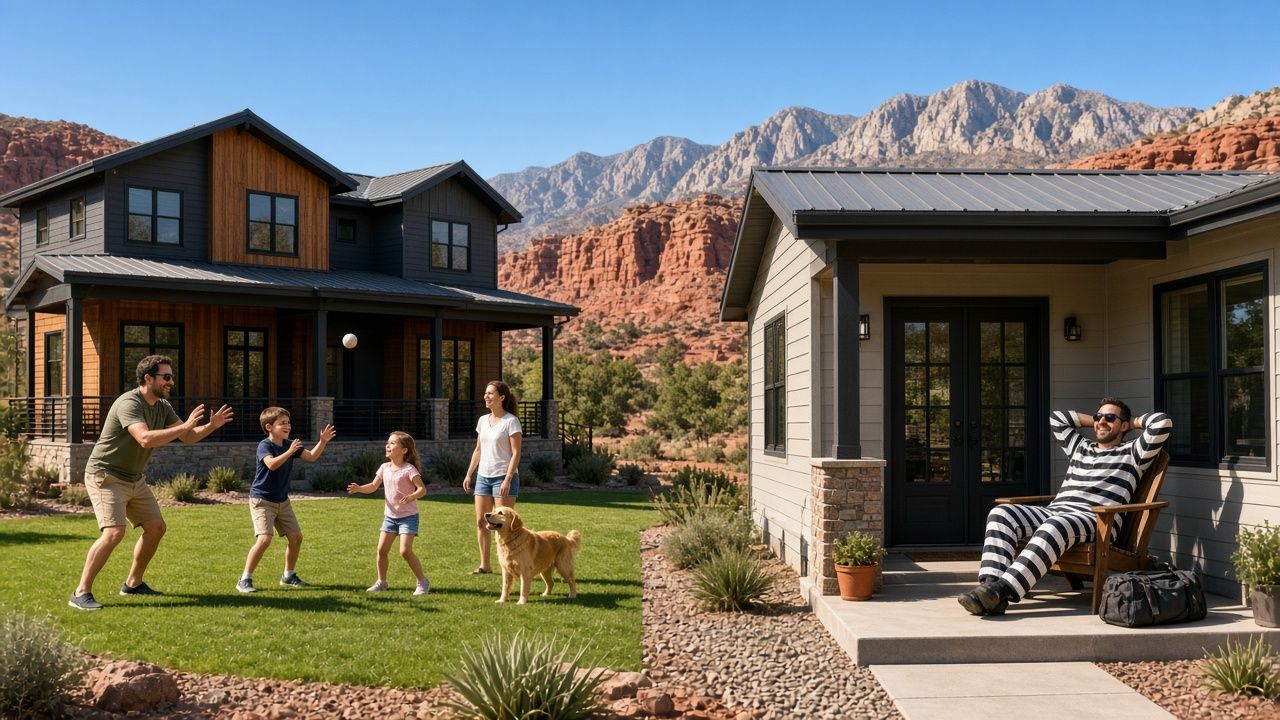
On November 20, 2026, Airbnb will stop hosts from knowing who is actually sleeping in their homes.
It's possible Airbnb doesn't mean to help traffickers, drug dealers or anyone else looking for an anonymous house for the weekend. But I find that hard to believe in the face of a policy that so obviously does.
First, let's clear something up
No more guest chores? Guests are cheering. Hosts are whining. Everyone is missing the point.
We're with the guests. Under the new rules, hosts can't make you wash dishes, strip beds, start laundry or haul trash off-site. Good. We've never asked our guests to do any of that. You're on vacation, and cleaning is our job.
The messaging change? We can't ask guests for their phone number or email anymore. Annoying, and we'll deal with it. In practice, that makes it much harder to text guests their check-in details before they arrive. Expect a lot of confused travelers standing on porches asking, "How do I get in?" (Answer: your Airbnb inbox, which many guests don't check after they book.)
That's all inconvenient. It isn't the real problem.
The real problem is that hosts are about to lose the ability to know who's checking in, and to hold anyone accountable afterward.
What the new policy actually says
Airbnb's updated policy on host-imposed requirements (Help Center article 4169) applies to reservations booked on or after November 20, 2026. In Airbnb's own words:
"With limited exceptions, hosts may not solicit personal data at any point during the booking process or stay. This includes... Identification details or documents such as a guest's passport, driver's license, social security number, or photo."
The same list also covers "background check information or credit history."
And on contracts:
"Hosts generally may not ask guests to sign a separate contract or rental agreement, unless it is: required by law or community association rules... necessary to facilitate access to an optional amenity... requested in connection with a monthly stay (28 nights or more)... related to a stay at a Luxe listing."
So for a normal weekend stay, there's no ID on file and no signed agreement.
"But Airbnb still lets you check ID in person"
Technically, yes. The policy says hosts "may physically check a guest's ID to verify identity in person at check-in" if the listing says so. But hosts "may not... retain a digital or physical copy of the ID."
Here's why that doesn't help:
- Nobody's there. Modern short-term rentals run on self check-in with smart locks, often at 11 PM after a delayed flight. Putting a person at every door for every arrival, across dozens of homes, isn't a real option for most hosts or managers. It would also make stays more expensive for every guest.
- It's gone when you need it. You need an ID after something goes wrong: the damage, the police report, the claim. A glance at a license on the porch, with no copy allowed, leaves you with a memory. You can't hand a memory to a sheriff.
The policy allows an ID check that's impractical before the stay and useless after it.
Why IDs matter: the people we're protecting
Good hosts verify guests to protect:
- The homeowner, who trusted us with their property.
- The neighbors and community, who have to live next door.
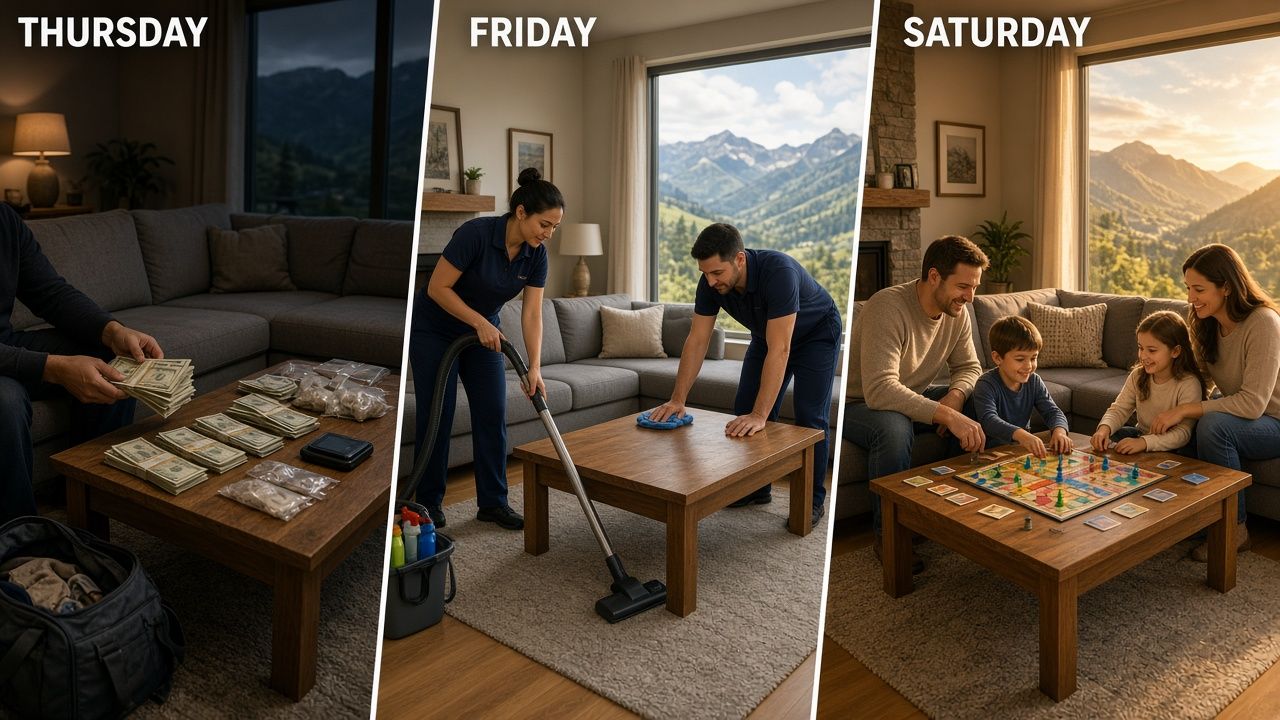
- The next guest. That family checking in Saturday deserves to know the house wasn't used for something awful on Thursday.
So does Airbnb's own verification take care of this? Airbnb doesn't promise it does. Its Terms of Service say Airbnb "may, but [has] no obligation to" ask for ID or run identity and background checks. Earlier versions of its terms were blunter: "User verification on the Internet is difficult and we do not assume any responsibility for the confirmation of any Member's identity."
In our experience, the person who books isn't always the person who shows up. Accounts get borrowed, shared, and sometimes hijacked with stolen passwords. Under the new rules, the host is no longer allowed to close that gap.
This isn't theoretical. In 2019, a renter booked a house in Orinda, California, saying it was for a family reunion of about a dozen people. More than 100 people showed up to a "mansion party," and five were killed in a shooting. Airbnb banned "party houses" afterward. Verification matters most when someone is lying.
Why contracts matter: when AirCover isn't enough
Without an ID and a signed agreement, hosts are left with almost no recourse.
Picture this. A guest stays five hours past checkout. The cleaners can't get in, and the next family's $3,000 booking has to be canceled. Airbnb may not penalize us for that cancellation, but the money is gone. We can ask the guest to pay. They can just say no. Without a contract, there's nothing behind the request.
Or this. After a guest leaves, we discover the home was used to cook meth. Remediation can easily run into five figures. Who was it? Without an ID on file, we may not know. With no contract, there's no clear path to small claims or civil court. With no name, there's little for police to go on.
"Doesn't AirCover handle that?" In our experience, not reliably. We've had damage claims denied even with extensive evidence, and even when the guest admitted fault. Things like house-rule violations, late checkouts and the lost bookings that follow often aren't covered at all. We can't build a business, or protect an owner's home, on a maybe.
Why we think the state, not a platform, should set these rules
Here's our opinion, as a Utah operator.
Utah already lets lodging operators ask for ID. Utah Code 29-2-103 says an innkeeper may "require a guest to produce a valid driver's license, or other identification satisfactory to the innkeeper, containing a photograph and the name and address of the guest." We think short-term rental operators deserve the same choice, and that a private company's terms of service shouldn't be able to quietly take it away.
Airbnb's own policy admits the law can override it. Article 4169 allows contracts "required by law" and data collection needed to "comply with applicable law." In other words, Airbnb already accepts that the government gets the final say on guest verification. We just think it should be an option for responsible operators, not a mandate that burdens every small host.
Airbnb doesn't promise its checks work. Its current Terms say: "we do not warrant that verification, identity or background checks conducted on Listings or Members (if any) will identify past misconduct or prevent future misconduct."
AirCover isn't insurance, and Airbnb says so. Airbnb's Host Damage Protection terms say the guarantee "is not insurance or an offer to insure," and that "The Responsible Guest has the primary obligation" to pay for damage they cause. So the backstop depends on the guest, and we think you have to know who the guest is for that to mean anything. In 2023, Washington's insurance regulator fined Airbnb $20,000 for acting as an unauthorized insurer, and Airbnb agreed, as part of a consent order, to re-review denied Washington host claims since 2021.
Hosts have few other options. Airbnb's Terms include an arbitration agreement and class-action waiver for U.S. claims, though small claims court remains available. For a small operator, an ID and a signed agreement with the guest are one of the few practical protections.
Verified doesn't mean safe. We've seen bad, and even criminal, conduct from guests who were Airbnb verified. Knowing who was actually staying is how we caught problems early and worked with police when necessary.
What we're asking for
We're not asking to bring back chore lists. We're asking for two things:
- Let hosts securely collect and keep guest ID, or give hosts access to the verified identity Airbnb already holds when there's a legitimate safety or damage issue.
- Let hosts use a simple rental agreement that guests see before they book, so both sides know the rules and there's recourse when they're broken.
Both protect guests too. Most guests are great, and they're the ones who benefit when bad actors know they can't stay anonymous.
What we do at Cloud Dream Homes
We'll follow Airbnb's rules on Airbnb. We'll keep cleaning up after our guests, because that's our job, and we'll keep working to get you your check-in info.
But if you're an owner, ask any manager you hire: "After November 20, how will you know who's in my house, and what happens if something goes wrong?" You deserve a real answer.
Speak up: protect a host's right to know who's staying
This policy isn't final until it's tested by the people it affects. Here's how you can help:
- Tell Airbnb. Whether you're a host or a guest, share your concerns through your Airbnb account or the feedback on their policy announcement. Be specific about why knowing who's staying matters to you.
- If you're in Utah, talk to your legislators. We're supporting the creation of a bill, and ultimately a Utah law, that defends a host's right to verify who stays in their property, with a secure ID and a simple rental agreement. Find your state senator and representative at le.utah.gov and tell them this matters to you, whether you're a host, a neighbor or a guest.
- Share this post with anyone who hosts, travels, or has an "Airbnb" in their city.
Book direct at stays.clouddreamhomes.com and none of this is a problem: our guest portal verifies every stay before the door codes unlock.
Responsible hosts aren't asking for chore lists. We're asking to know who's sleeping in the homes we're trusted to protect.